
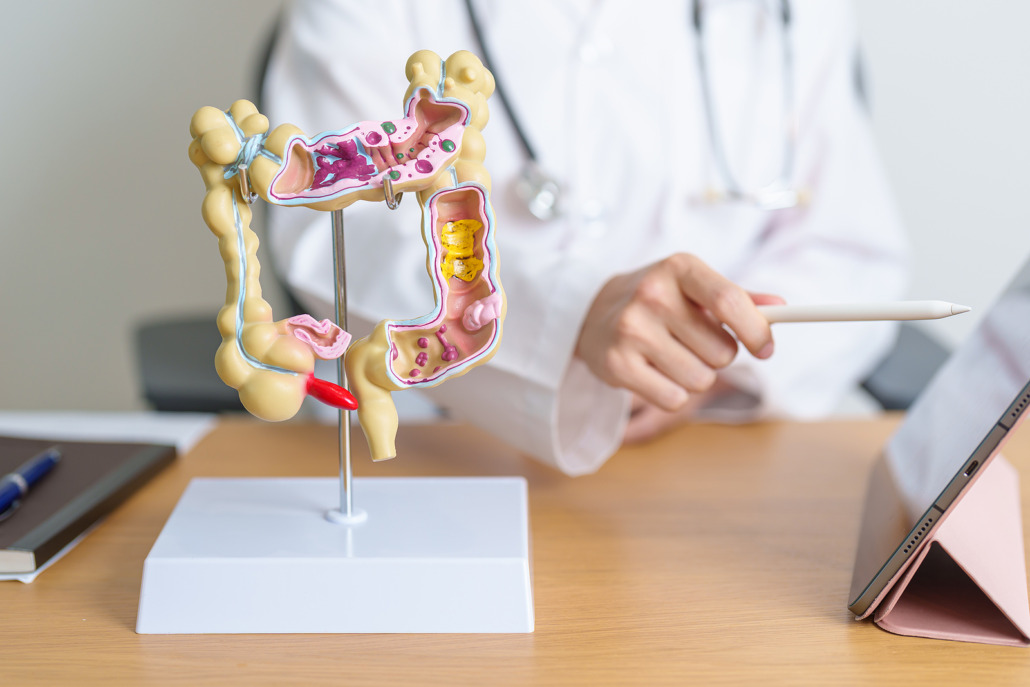
How Is Radiotherapy Used To Treat Colorectal Cancer?
Some kinds of cancer are less prevalent than they used to be. Reduced smoking rates have cut lung cancer rates, while awareness of the risks of sun exposure has reduced skin cancer frequency. But other cancers have increased.
Colorectal cancer is one such category, with instances of the disease on the rise across the globe.
The American Cancer Society predicted last year that there would be more than 154,000 diagnoses of the disease across the US, slightly up from its 2024 forecasts.
Forecasts of a rising incidence of gastrointestinal cancer in the US were backed up by a study by JAMA that showed not only were cases on the rise, but the increase was particularly focused on younger people.
Colorectal cancer in adults under 40 was up 3.4 per cent over the course of the decade, while pancreatic and gastric cancers were also up.
What Factors Increase The Risk Of Colorectal Cancer?
Speaking about these findings on the ABC Good Morning America show last year, the show’s medical correspondent, Dr Darien Sutton, listed several increased risk factors that were leading to higher incidences of gastrointestinal cancers:
- Obesity
- The consumption of highly processed foods
- High consumption levels of sugary drinks
- High levels of alcohol consumption
- Increasingly sedentary lifestyles
- Smoking
While the last of these may be less common than years ago, the others are not. However, it is clear that alongside not smoking, factors like more exercise, less alcohol and a healthy diet with more fibre and less red meat reduce risk, points Dr Sutton emphasised.
How is the Age Profile Of Colorectal Cancer Patients Changing?
American Cancer Society figures for 2025 highlighted just how skewed the increase was towards younger patients in the US.
The annual increase in colorectal cancer rates between 2012 and 2021 was 2.4 per cent in those aged under 50, but just 0.4 per cent for those in the 50-64 age range.
A key point to note was that the trends seen in the US echoed those around the world, where similar causal factors have been at play.
For example, an international study published in The Lancet in early 2025 highlighted the rising colorectal cancer incidence among younger adults in high-income Western countries.
However, while colorectal cancer is a rising problem around the world, especially in more affluent countries where lifestyles are more sedentary and the consumption of potentially harmful foods and beverages like red meat and sugary drinks is higher, there is good news.
While delivering its prediction of rising case numbers in 2025, the American Cancer Society noted that since the 1970s, patient outcomes for those with these forms of cancer had been steadily improving, partly thanks to more screening and lifestyle changes.
However, we may also consider just how radiotherapy has played a role in improved outcomes by noting how it can help to treat colorectal cancers and why treatments are now more effective than in the past.
On the one hand, the basics of radiotherapy remain the same as ever: The radiation disrupts the DNA of cancer cells, which breaks them down and prevents them from replicating. However, improvements in technology and scanning have made this process more precise.
How Is Radiotherapy Given For Colorectal Cancer?
Radiotherapy is usually delivered as external beam radiotherapy; specialised internal/contact techniques may be used in selected cases.
External beam therapy is given via a machine such as a LINAC machine, with the patient lying prone while the beams of radiation penetrate the skin to target the cancerous area.
This is often delivered in the form of intensity-modulated radiotherapy, which varies the strength of the beams of radiation to concentrate the higher doses on the cancer cells, while limiting the radiation exposure for the surrounding healthy tissue.
Brachytherapy involves a radioactive substance being placed inside the body, in this case, the colorectal area, to deliver the radiation. Two types can be used:
- High dose rate brachytherapy, which is often given after external therapy
- Low-energy contact brachytherapy, sometimes known as Papillon treatment, which is used as an alternative to surgery for cases of rectal cancer that have been detected very early
Any course of radiotherapy will come with side effects, although a benefit of intensity-modulated radiotherapy is that it reduces these because it limits the exposure in healthy tissue.
Nonetheless, some side effects will be common, such as
- Fatigue
- Hair loss
- Nausea
Usually, these are temporary effects that wear off after treatment ends and younger patients will be better able to withstand the rigours of such treatment.
The best news about radiotherapy treatment for colorectal cancer is that, if detected early enough, this is a form of cancer that may often be removed entirely with a full recovery for patients.
Learn more about our advanced radiotherapy treatments for colorectal cancers on the Amethyst Group website.
