
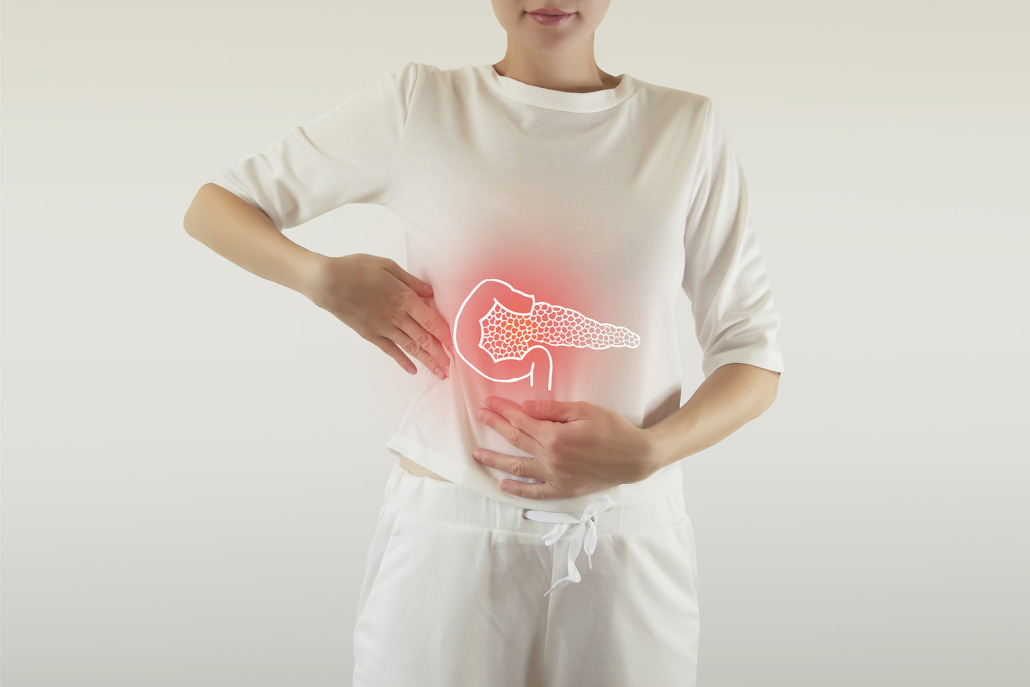
How Can Radiotherapy Help Treat Pancreatic Cancer?
There are many different forms of cancer, but the majority of cancer cases are accounted for by a handful of very common forms of the disease. These include breast, prostate, lung and bowel cancer.
Pancreatic cancer is much less common although still a significant health issue in Europe, ranking as the seventh most commonly diagnosed cancer and the third or fourth leading cause of cancer-related death, after lung and colorectal cancers.
Each year, approximately 100,000 new cases are diagnosed across the EU, with a similar number of deaths. Incidence and mortality continue to rise, driven largely by ageing populations, with particularly high rates observed in Central and Eastern Europe (e.g. Latvia and Hungary) and Western Europe (e.g. France and Germany).
These numbers may be lower than for other cancers, but they are rising and expected to rise further.
Research has projected that, globally, the rate of pancreatic cancer incidence will be more than 31 per cent higher in 2040 than in 1990, with women at greater risk than men. In the US, the present lifetime risk is one in 60 for men and one in 56 for women.
Our radiotherapy centre does not just offer treatments for the most common forms of cancer. Indeed, we can and do treat less common forms of the disease than pancreatic cancer.
Pancreatic cancer tends to have a comparatively poorer prognosis for patients than other cancers. The main reason for this is that diagnosis tends to occur at a late stage; as with any type of cancer, the earlier the diagnosis, the more that various treatments can achieve in combating it.
What Are The Different Stages Of Pancreatic Cancer?
There are different kinds of pancreatic cancer, the majority of which start at the head of the pancreas.
Whichever type a patient is diagnosed with, there are five stages of the cancer, which indicate how far the disease has progressed and will shape the type of treatment possible, including the role that radiotherapy can play.
These stages are:
- Stage Zero (carcinoma in situ), where the cancer is only at the top layer of the cells and has not grown into the pancreas. Diagnosis this early is rare.
- Stage 1, where the cancer is in the pancreas but has not spread to the lymph nodes or elsewhere in the body.
- Stage 2, where the cancer has started to grow into surrounding tissue and may be in the lymph nodes
- Stage 3, known as locally advanced cancer, where the disease has spread to the lymph nodes and local blood vessels, but not other organs
- Stage 4, where the cancer has metastasised, which means it is now present elsewhere in the body and is classed as secondary cancer
A key distinction is that surgery is usually possible at stages one and two, but not three or four.
How Is Radiotherapy Used In Treating Pancreatic Cancer?
The role of radiotherapy in treating pancreatic cancer can vary. In some cases, it is used alone, whereas in other cases it can be combined with chemotherapy. As with any radiotherapy treatment, the aim is to use radiation to damage the DNA of the tumour and cancer cells, targeting cells and shrinking the tumour.
The combined use of radiotherapy and chemotherapy is known as chemoradiotherapy. This can be used to shrink a tumour that is slightly too large to be removed by surgery. Once it has shrunk sufficiently, surgery can be possible.
Radiotherapy can also be used for late-stage pancreatic cancer as a form of palliative care, providing some significant relief from pain.
Patients undergoing radiotherapy will usually receive it through external beam therapy, which means the patient will lie down while a linear accelerator (Linac) machine directs radiation at the affected area.
What Is Stereotactic Radiotherapy And Why Is It Sometimes Used?
In some instances, a higher level of precision is necessary. This is known as stereotactic radiotherapy and will involve highly focused radiation beams being aimed at a small, specific area.
This will be done with the aim of minimising exposure for surrounding tissue and is commonly used to treat various cancers in which tumours are located very close to vital organs.
The sessions will be short and close together, whereas Linac sessions tend to be longer and take place over a greater period of time.
As with any course of radiotherapy, there may be side effects. These can include tiredness, digestive symptoms, sore skin, hair loss and loss of sexual function. However, these symptoms are usually temporary; for example, after a course of radiotherapy ends, lost hair can soon start to grow back.
Our approach to treatment is always to ensure that every individual gets the best possible course tailored to their specific needs, whatever form or stage of pancreatic cancer may be present.
This will take into account all the circumstances of the patient and will always be done with clear communication and explanations about your treatment and care.
Learn more about our advanced radiotherapy treatments for pancreatic cancer on the Amethyst Group website.
