
What Are The Signs Of Colorectal Cancer & How Is It Treated?
In general, early diagnosis is a key factor in improving the prognosis of any cancer treatment, but nowhere is this more apparent than in colorectal cancer.
March is Colorectal Cancer Awareness Month, and given how many people it affects and just how important early diagnosis is to maximising the access and availability of treatments, awareness is extremely vital.
Everyone plays their role in fighting cancer, from clinics that specialise in state-of-the-art treatments to people who have been diagnosed, their family, friends, loved ones and anyone who spreads the word to raise awareness and inspire people to get themselves checked out.
Like many types of cancer, it can be difficult to see the early signs, but in the interest of public health, here are some of the early signs to look out for, the importance of early screening and how it works, how it would be diagnosed and how we would typically treat it.
What Is Colorectal Cancer?
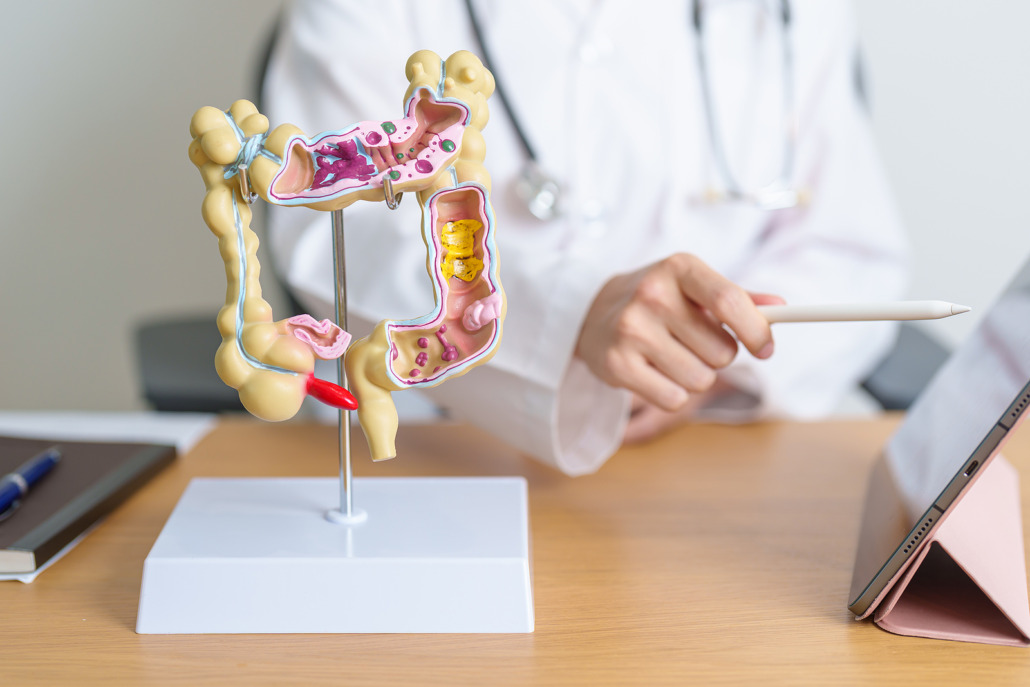
Colorectal cancer, also known as bowel cancer, is any cancer that affects the colon or rectum, which together form the large intestine and the final part of the digestive system. This does not include the anus following the rectum, nor the small intestine which absorbs nutrients from food.
The large intestine typically absorbs water from food and drink, and anything that cannot be digested is moved to the rectum, where it is removed from the body. It is a very important part of the body, and bowel cancer can have major effects on people’s lives.
Exactly how serious it is depends on how it spreads, your overall digestive health and how the cancer growth has developed. Early-stage bowel cancer is often easier to treat and can significantly improve patient outcomes.
Early Signs Of Bowel Cancer
As with many early signs of cancer, a one-off or short-term occurrence of any of these symptoms may not be a sign of cancer, as some of them are particularly common and often have other causes.
However, if you cannot account for any of these or you have any of these symptoms for three weeks or more, consult a doctor.
- Sudden changes in your bowel movements, such as needing to go to the toilet more or less often than normal, in a way that is very easily noticeable.
- Constipation if that is not normal for you, or otherwise feeling like you need to go to the toilet even after you have been.
- Diarrhoea if that is not typical for you, nor can be explained by your diet.
- Stomach aches.
- Bloating feelings.
- A lump in your stomach.
- Bleeding from your bottom
- Blood in your stool, which is typically red but may be black.
- Fatigue and shortness of breath, which can be signs of colorectal cancer-caused anaemia.
- Weight loss that is not otherwise accounted for.
How Is Colorectal Cancer Diagnosed?
The first stage of diagnosis is to consult a doctor, typically a GP, who will discuss your symptoms with you, explain the possible causes, examine your medical and family history to see if you are at further risk, and rule out any other medical conditions.
They will also typically examine you, usually through a rectal examination, to check for lumps or anything else unusual that could be a sign of colorectal cancer.
If there are any concerns, they will typically arrange for a series of tests of your blood and stool in order to check for unusual markers that would be characteristic of cancer.
These include a faecal immunochemical test (FIT) or a test for inflammation in the bowel itself.
How Does Colorectal Cancer Screening Work?
There is also a national bowel cancer screening programme in the UK, offered to anyone aged between 50 and 74.
This test, which can be done at home, is an FIT test that checks for potential early warning signs of cancer. Once again, the earlier it is detected, the more options there are for treatment, and there is far greater potential for less invasive treatments to be effective.
How Is Colorectal Cancer Treated?
The treatment options for colorectal cancer will depend on where the cancer originated and was found. Bowel cancer is typically divided into:
- Colon cancer, which originates in the large intestine.
- Rectal cancer, which starts in the rectum and the back passage.
As both are very common and can vary considerably depending on how they progress, your treatment plan can vary considerably, although radiotherapy and chemotherapy are often options either individually or together.
Sometimes this takes the form of external beam radiotherapy, whilst in other cases it can involve the use of internal radiotherapy implants in a treatment known as brachytherapy.
Learn more about our advanced radiotherapy and neurosurgical treatments for colorectal cancer, as well as other cancers, on the Amethyst Group website.
